
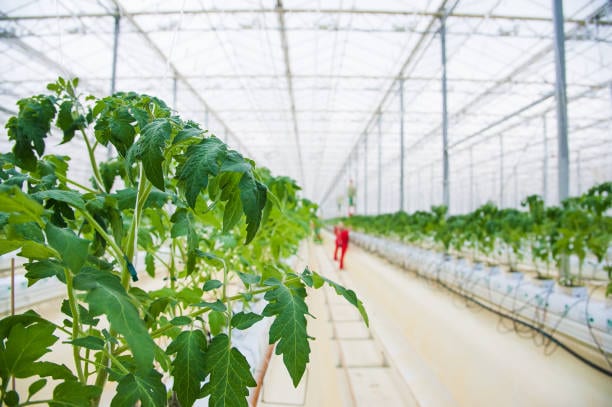
Crop Application · Greenhouse Growing
Six substrate lines. Every greenhouse format covered.
From heated glass tomato operations to poly tunnel soft fruit and cold frame propagation, the full CVM substrate range is engineered for greenhouse conditions.
6
Substrate lines
20–80%
AFP range
COA
Every batch
The Challenge
Why greenhouse substrate decisions are harder than they look.
Variable
One substrate can't cover every format
Heated glass needs AFP 28–32%. Poly tunnels need AFP 25–28%. Cold frames need moisture retention over drainage speed. Most suppliers offer one or two grades, and greenhouse growers compromise on at least one critical variable.
Discovered late
Batch problems found at transplant
Native EC spikes, pH drift, and moisture inconsistency in substrate are typically discovered when plants are already in the ground. Recovery from a bad batch mid-season is costly and season-damaging.
Seasonal
Supply gaps disrupt extended programs
Greenhouse programs running 8–12 months need uninterrupted supply. Many coir suppliers follow coconut harvest seasonality and take availability gaps, creating substrate shortfalls for extended-season growers.
The Coir Fix
How the full CVM range solves the greenhouse substrate problem.
6 lines
Match substrate format to your house
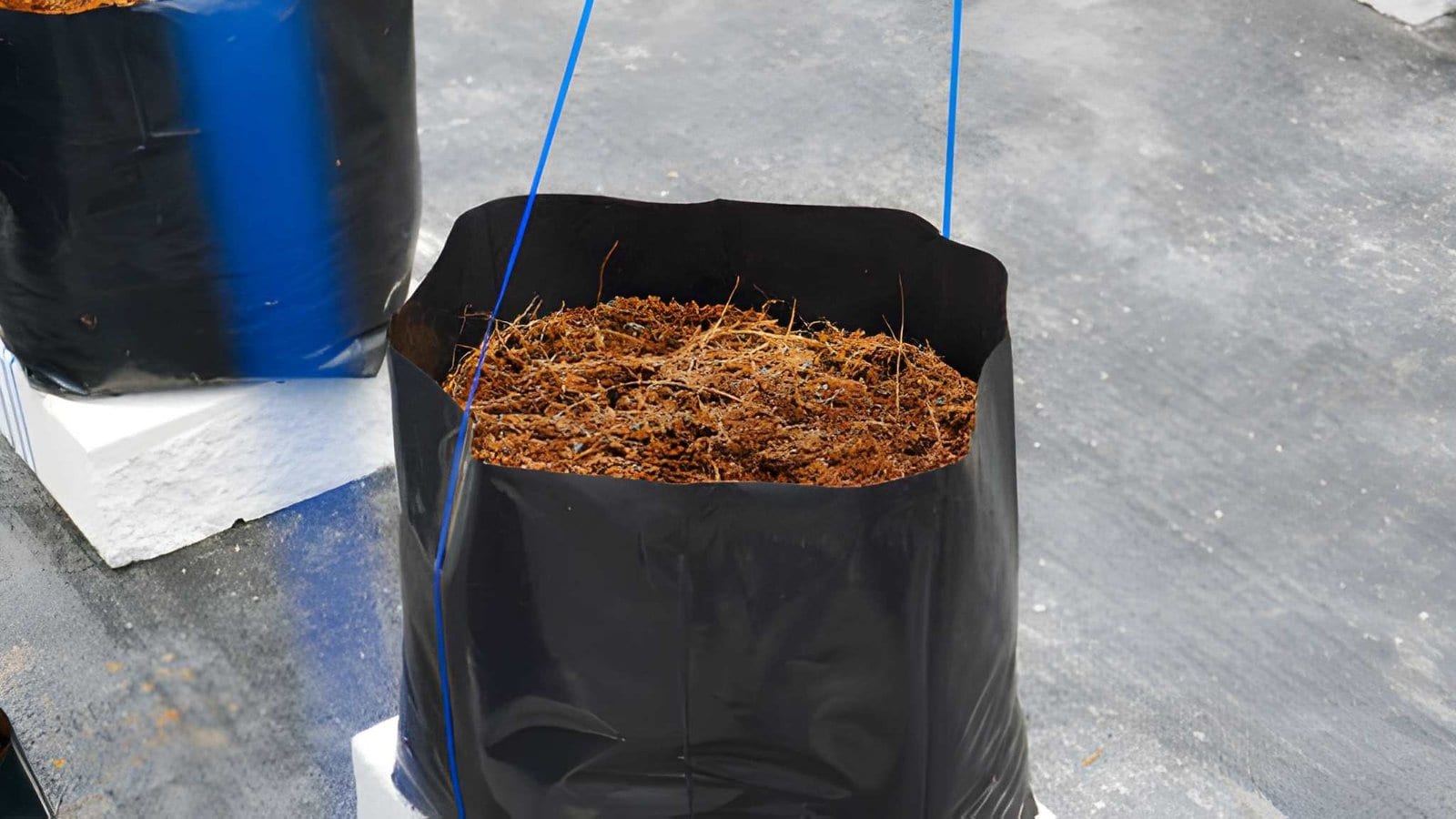
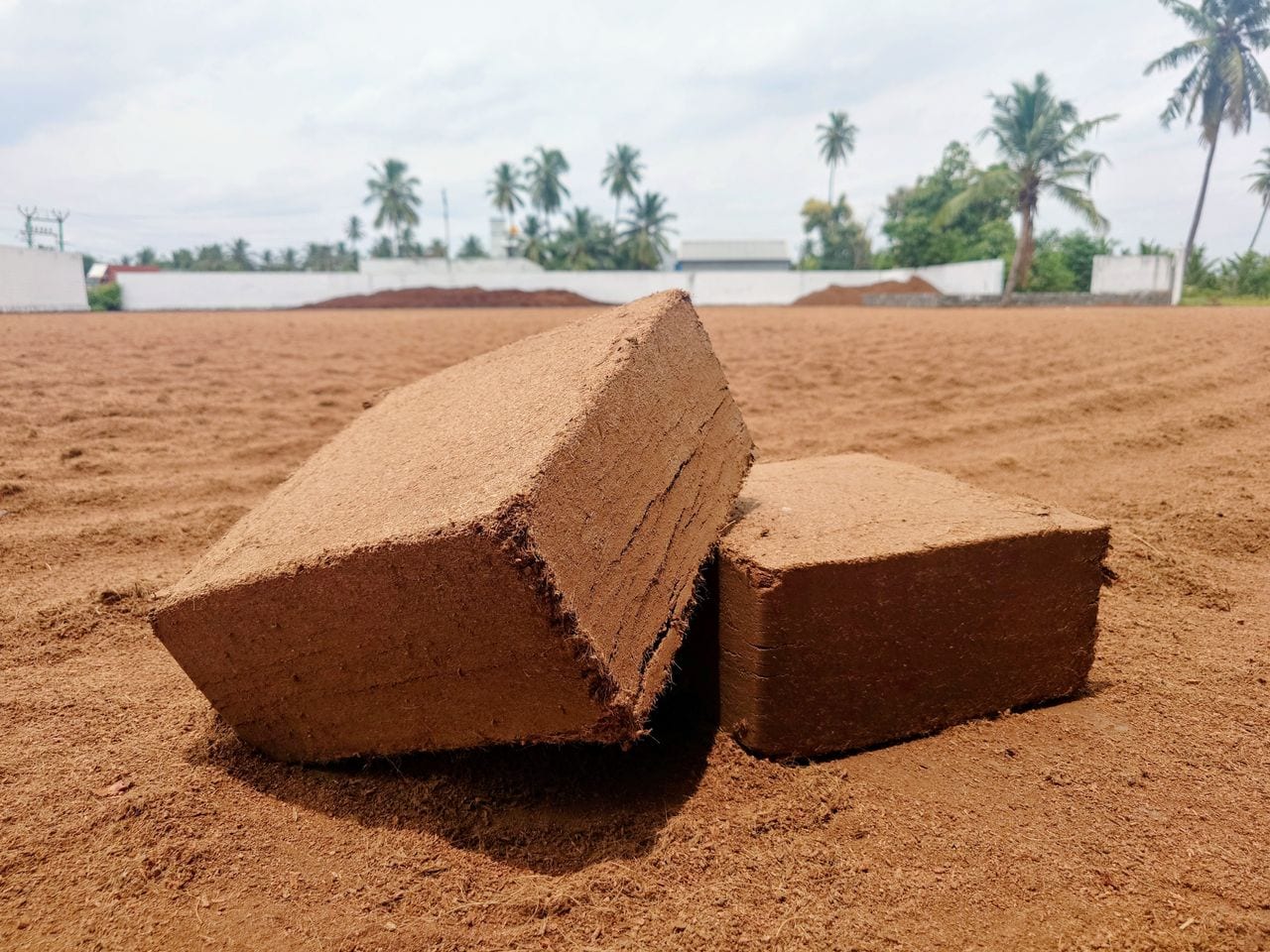
Six substrate lines, propagation briquettes, coir blocks, 75 L grow bags, open-top slabs, husk chips, and custom blends. Match AFP, volume, and format to your specific greenhouse type. No compromise needed.
COA
Problems caught in the lab, not on the bench
EC, pH, and moisture tested against RHP tolerances before every batch ships. The Certificate of Analysis arrives before the substrate does. Problems are never discovered at transplant.
Year-round
Continuous processing from Tamil Nadu
Our Tamil Nadu facility processes year-round with no seasonal shutdown. Extended greenhouse programs, 10, 12, even 14-month cycles, get consistent, uninterrupted substrate supply.
Greenhouse Type Guide
Key parameters per format.
Heated Glass
EC Target
2.5 – 3.5 mS/cm in-slab
Drain %
20 – 30%
Grow bags with drip irrigation and drain-to-waste. High-frequency shots. Climate-controlled, AFP 28–32%. COA essential for regulated growing environments.
Poly Tunnel
EC Target
2.0 – 3.0 mS/cm in-slab
Drain %
20 – 25%
Open-top slabs for root inspection. Lower ventilation, AFP 25–28% to retain moisture in dry periods. Monitor EC more frequently in summer heat.
Cold Frame
EC Target
1.5 – 2.5 mS/cm in-slab
Drain %
15 – 20%
Coir blocks for volume flexibility. Lower crop intensity, lower drain acceptable. Flush between crop cycles. Blocks expand on bench without pre-filling.
Seasonal Management
Select. Climate-match. Rotate.
Greenhouse substrate management means matching AFP to the season's humidity and adjusting irrigation as temperature rises. It's not a set-and-forget operation.
01
Substrate selection (before season starts)
Match AFP to your greenhouse ventilation. High-humidity: AFP 25–30%. Low-humidity, high-ventilation: 28–35%. Go higher AFP in hot summers, roots need structural oxygen as substrate temperature rises.
02
Summer adjustment
Substrate EC rises faster above 28°C, stomata close and plants absorb less water. Increase irrigation frequency by 15–20% on hot days. Monitor drain EC daily. Add a flush shot if drain EC exceeds feed EC by more than 1.5 mS/cm.
03
Crop rotation
Flush and retest between crops. Replace substrate if EC reads above 8.0 post-flush or pH has drifted more than 1 unit. Clear root debris, coir does not biodegrade at agronomic timescales.
Agronomic Support
Substrate specification for your operation.
Share your crop, target EC, system format, and season length, and we'll specify the right substrate and provide technical support for your first grow.
Talk to our agronomy team
Substrate guidance matched to your crop, system format, and target EC window.
Recommended Substrates
Ready to trial coir in your greenhouse?
Substrate matched to your greenhouse format.
Tell us your greenhouse type, ventilation setup, and crop rotation plan, we'll recommend the right substrate line and AFP range for your growing season.